Medical Tattooing for Skin and Scar Camouflage
Skin changes such as scars and stretch marks are a natural part of the body’s healing process, and for many people they are simply a normal feature of their skin. For others, they can feel more personal, sometimes influencing confidence or reminding someone of a medical procedure, cosmetic surgery that healed unpredictably, an injury, pregnancy, or a difficult chapter of life they would prefer to move beyond. Healing can vary greatly from person to person, and scars do not always settle in the way someone may have expected. Treatments offered at KUU Skin Camouflage are not about erasing these experiences, but about supporting those who wish to gently improve their appearance and feel more comfortable and confident in their skin.
Begin Your Journey
If you’re considering medical tattooing or restorative skin treatments, you’re welcome to get in touch.
This initial conversation offers a gentle first point of contact, allowing each treatment to be carefully considered, bespoke, and tailored appropriately to you.
What is Medical Tattooing?
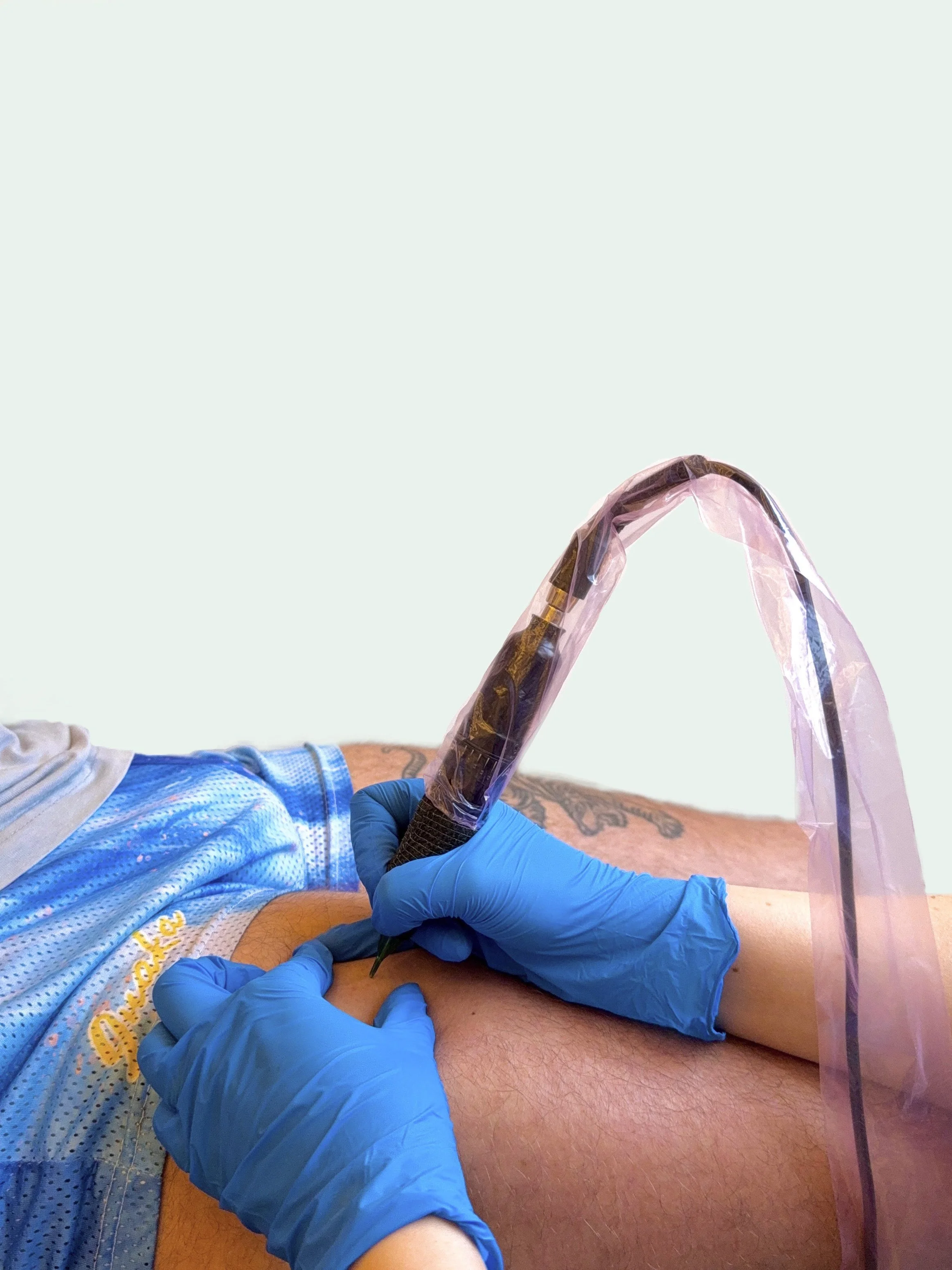
Medical tattooing is a specialised restorative technique that uses custom-blended pigments to improve the appearance of scars, pigment loss, and skin irregularities.
Skin-matched colour is carefully introduced into the affected area to reduce contrast and support a harmonious, natural-looking skin tone allowing treated areas to integrate naturally with the surrounding skin. Treatments are tailored to the individual and planned with a considered, skin-led approach.
Medical tattooing may be suitable for individuals with surgical or traumatic scarring, vitiligo, or skin changes following medical or reconstructive treatments, including mastectomy or skin grafting.

What to Expect From Medical Tattooing?
With an extensive range of skin-tone pigments, colour is carefully formulated to suit each individual and the specific characteristics of the scar.
Using a tattoo machine pigment is introduced into the skin through controlled, gradual application. Colour is built in layers, with careful attention to tone, depth, and detail to create a natural and realistic result. Where appropriate, elements such as soft variation in tone or skin features, like freckles, may be incorporated to support a more lifelike finish.
This treatment is particularly effective for lighter-coloured scars, including surgical, burn, trauma, acne, or chickenpox scarring, as well as stretch marks.
For safe and effective treatment, scars should be fully healed, mature, and typically at least one year old.
This video demonstrates the pointillism technique used to gradually build a natural-looking skin tone and texture. Precisely skin-matched pigments are layered in micro-deposits, allowing the colour to integrate seamlessly with the surrounding skin for a soft, realistic finish.
How many sessions are typically required?
The number of sessions required varies depending on the type of scar, its age, and how the skin responds to treatment. While improvement can be seen after a single session, most areas benefit from a course of treatments.
Typically, 2–4 sessions of ink are recommended to achieve the most natural and balanced result.
Scar camouflage is performed by gradually layering carefully diluted pigments to recreate the subtle tones and depth of natural skin. This staged approach allows the skin time to gently integrate the pigment between sessions while maintaining a soft, natural appearance.
Applying pigment too densely in a single session can result in colour that appears obvious or sits unnaturally on the surface of the skin. By building colour gradually over multiple treatments, the pigment blends more seamlessly with the surrounding skin and the result develops in a more natural way.
Sessions are usually spaced 6 weeks apart to allow the skin to heal fully and respond before additional layering is performed. During consultation, the scar will be assessed and a personalised treatment plan will be recommended.
Preparing the Skin for Medical Tattooing
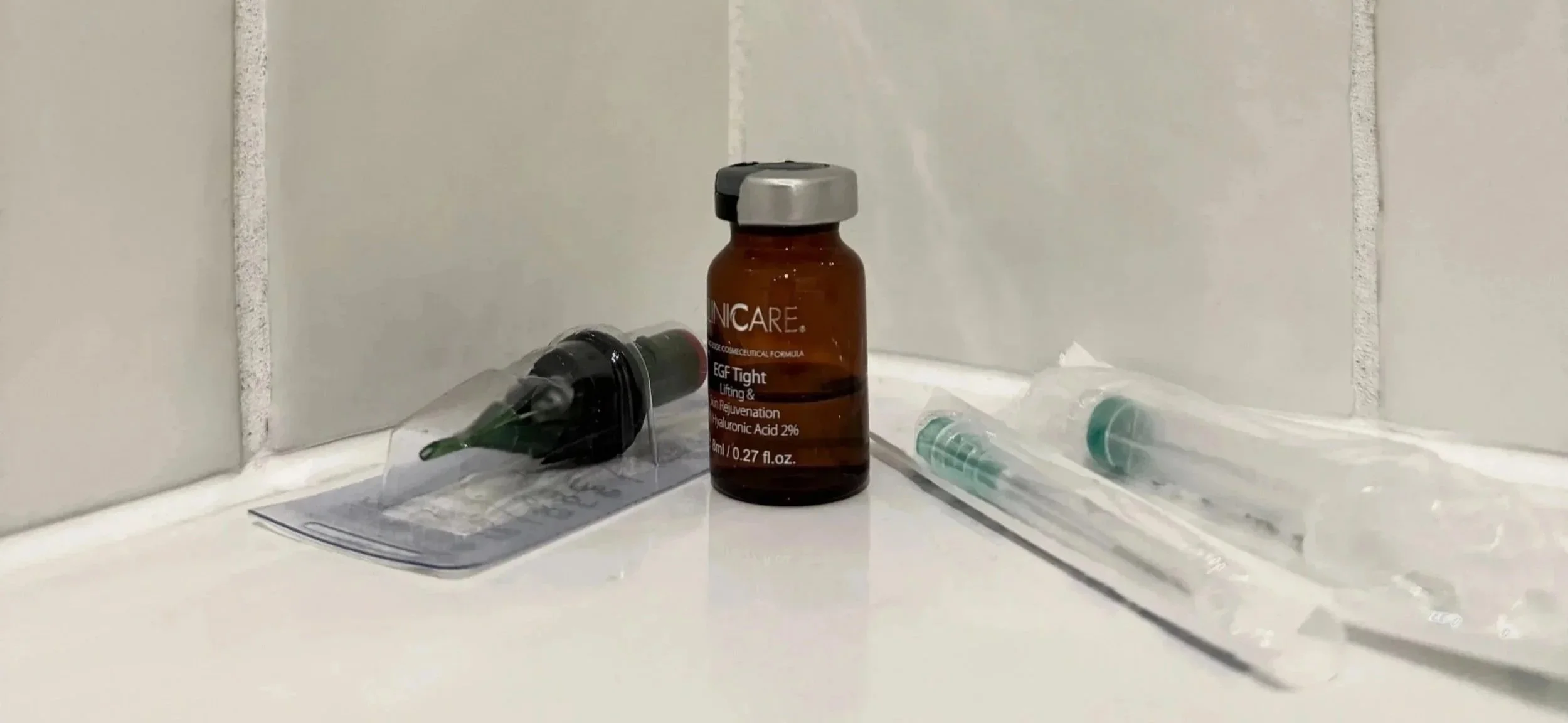
MCA inkless needling is most often recommended at the first stages of a treatment plan prior to medical tattooing. By helping to break down excess or disorganised collagen and encouraging tissue remodelling, the skin can become more flexible, softer, flatter and receptive, creating a canvas that can hold ink. This is due to improved conditions for pigment placement, allowing ink to sit more evenly between collagen fibres during later tattooing stages.
Safety, Suitability & Considerations
Scar camouflage medical tattooing is a minimally invasive restorative treatment designed to improve the appearance of mature, stable scars. While it is a considered and controlled procedure, it does involve introducing pigment into the skin and, as with any skin-based treatment, carries potential risks.
Certain skin types and scar histories require additional care. Individuals who are prone to keloid or raised scarring, or who have previously experienced abnormal scarring following surgery or tattooing, may not be suitable candidates. Suitability is always discussed during consultation. Test patches to be performed in situations where skin needs to be approached with caution.
Active skin infections must be fully resolved prior to treatment.
Scar tissue responds differently to pigment than healthy skin, which is why timing and assessment are essential. Treatment is only considered once scar tissue is fully healed and mature to support safer application and more predictable results.
Get in touch
If you’re considering medical tattooing or restorative skin treatments, you’re welcome to get in touch.
This initial conversation offers a gentle first point of contact, allowing each treatment to be carefully considered, bespoke, and tailored appropriately to you.